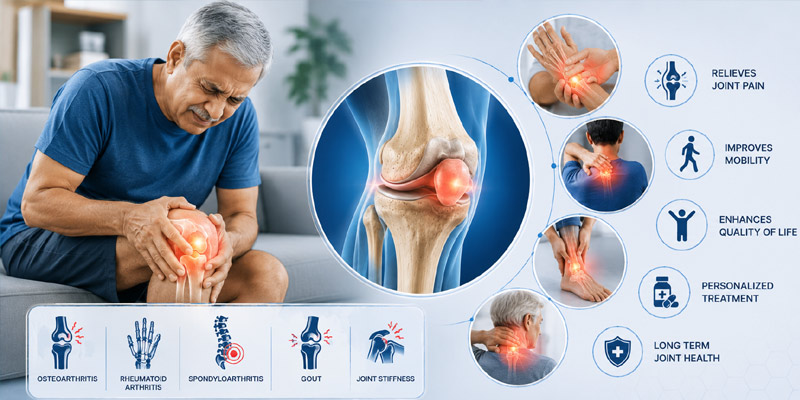
Joint pain, swelling, stiffness, difficulty walking, reduced range of motion, or pain while climbing stairs may be signs of arthritis or early joint damage. At Jeshwanth Orthopaedics, we provide structured evaluation and personalized treatment for arthritis and joint pain, with a focus on pain relief, mobility restoration, joint preservation and timely surgical care when required.
If you are searching for the best arthritis doctor in Chennai, joint pain specialist in Chennai, or knee and hip pain treatment, it is important to choose a specialist who can identify the true cause of pain and provide the right treatment at the right stage.
Understanding Arthritis and Joint Pain
Arthritis is a condition where the joint becomes inflamed, painful, stiff, or progressively worn out. It can affect the knee, hip, shoulder, ankle, hand, spine and other joints. Joint pain may be due to age-related wear and tear, sports injury, previous fracture, ligament injury, inflammatory disease, obesity, overuse, or cartilage damage.
Early diagnosis is important because not all joint pain requires surgery. Many patients improve with medicines, physiotherapy, lifestyle modification, weight reduction, activity planning and injections. In advanced arthritis, joint replacement may be considered to restore function and improve quality of life.

Pain, Swelling & Stiffness
Pain in the knee, hip, shoulder or other joints, morning stiffness, swelling around the joint and difficulty walking or climbing stairs.

Reduced Movement & Function
Difficulty squatting, sitting cross-legged, getting up from a chair, limping, reduced walking distance, or clicking and locking sensations in the joint.

Progressive Deformity
Progressive deformity such as bow legs or knock knees, pain that disturbs sleep in advanced cases, and increasing difficulty with daily activities.

Early evaluation helps identify the exact cause of pain and prevents unnecessary worsening. Timely treatment helps patients maintain independence and confidence.
Types of Arthritis and Joint Pain Conditions We Treat
Depending on the joint involved, the nature and stage of arthritis, and underlying cause, a personalized treatment plan is developed. A thorough evaluation helps determine the most appropriate approach for each patient's unique situation.
Osteoarthritis of the Knee & Hip
Age-related wear and tear causing cartilage loss, joint space reduction, pain, deformity and loss of function in the knee and hip joints.
Rheumatoid & Inflammatory Arthritis
Inflammatory joint disease causing painful swelling, stiffness, deformity and progressive damage across multiple joints including hands, knees and hips.
Post-Traumatic & Other Arthritis
Arthritis following fracture or ligament injury, avascular necrosis, patellofemoral arthritis, meniscus-related joint pain, shoulder arthritis and chronic synovitis.
Non-Surgical Arthritis & Joint Pain Management
Most early and moderate arthritis cases are initially managed without surgery. The aim is to reduce pain, improve function, strengthen supporting muscles, reduce joint overload and help patients continue their daily activities safely. Our non-surgical approach includes:
Lifestyle & Activity Modification
Guidance on activity pacing, low-impact exercises such as walking, cycling and swimming, supportive footwear, and avoiding movements that overload painful joints.
Physiotherapy & Strengthening
Targeted exercises to improve range of motion, strengthen muscles around the joint, improve balance and reduce stiffness — customized for knee, hip and shoulder conditions.
Medicines, Braces & Joint Injections
Pain-relieving medicines, anti-inflammatory medications, knee braces, walking support, ergonomic advice and selected joint injections for suitable patients.
Our Approach to Arthritis Care
At Jeshwanth Orthopaedics, arthritis treatment is planned with a focus on accurate diagnosis, joint preservation whenever possible, personalized non-surgical care, and precision-based joint replacement planning when surgery is required. Every patient's treatment is tailored to their age, lifestyle, functional goals and expectations.
Comprehensive Joint Evaluation
Detailed assessment of symptoms, walking pattern, alignment, muscle strength, range of motion and X-ray or MRI findings to understand the full picture before treatment planning.
Joint Preservation & Non-Surgical Care
Evidence-based non-surgical management with physiotherapy, lifestyle guidance, weight management, medicines and injections to relieve pain and protect joint function.
Surgical Planning & Rehabilitation
When joint replacement is needed, precise surgical planning, structured post-operative rehabilitation and long-term follow-up care ensure safe recovery and lasting outcomes.
Got questions? we've got answers!
Arthritis is a condition where the joint becomes inflamed, painful, stiff, or worn out over time. It can affect the knee, hip, shoulder, ankle and other joints. Common causes include age-related wear and tear (osteoarthritis), inflammatory disease (rheumatoid arthritis), previous injury or fracture, ligament damage, obesity, overuse, and cartilage damage. Early specialist evaluation helps identify the exact cause and guides appropriate treatment.
Yes. Many patients with early and moderate arthritis respond well to non-surgical treatment. This includes physiotherapy and muscle strengthening, lifestyle and activity modification, weight management, pain-relieving medicines, joint injections and the use of braces or walking supports. The goal is to reduce pain, improve function and protect the joint from further damage. Surgery is considered only when non-surgical treatment is no longer adequate.
Joint replacement is considered when arthritis becomes advanced and pain significantly affects daily life — including walking, climbing stairs, sleep, and routine activities — despite adequate non-surgical treatment. Other indicators include progressive deformity such as bow legs, persistent night pain or rest pain, and advanced joint space loss on X-ray. The decision is made after detailed evaluation of the patient's age, activity level, bone quality and overall health.
Early evaluation helps identify the exact cause of pain, stage the arthritis accurately, and begin appropriate treatment before the joint worsens. In early arthritis, joint preservation strategies can reduce pain, improve muscle strength, protect cartilage and delay progression. Ignoring persistent pain, swelling or deformity can lead to muscle weakness, increased stiffness, difficulty with daily activities and reduced independence. Timely specialist care helps maintain mobility and quality of life.
Patients with knee pain, hip pain, shoulder pain or ankle pain, swelling, stiffness or reduced joint movement, difficulty walking, climbing stairs, squatting or sitting cross-legged, repeated joint pain after sports or injury, X-ray or MRI showing arthritis or cartilage loss, elderly patients with mobility difficulty, and patients considering knee or hip replacement surgery should consult an arthritis and joint pain specialist for expert evaluation and a personalized treatment plan.