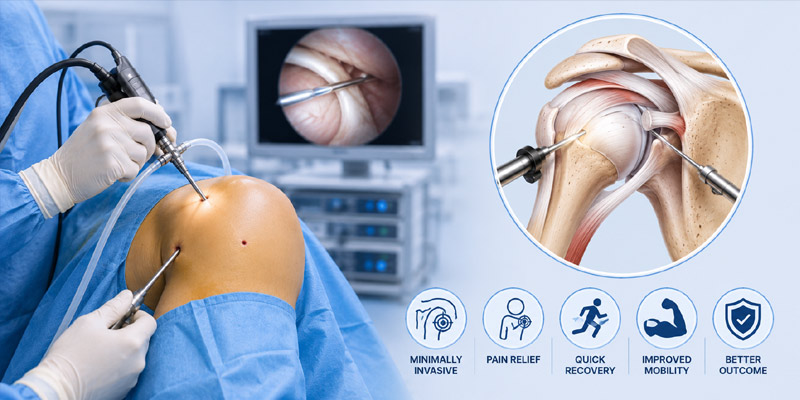
Shoulder pain can make even simple activities like combing your hair, reaching overhead, dressing, lifting objects, or sleeping comfortably very difficult. At Jeshwanth Orthopaedics, we offer advanced evaluation and treatment for shoulder pain, rotator cuff tear, frozen shoulder, and other shoulder conditions using evidence-based and minimally invasive treatment options, including shoulder arthroscopy surgery when required.
If you are searching for a shoulder surgeon in Chennai, rotator cuff tear specialist, frozen shoulder doctor, or shoulder arthroscopy surgeon, it is important to identify the exact cause of your shoulder pain and stiffness before deciding treatment. Our goal is to relieve pain, restore shoulder movement, improve function, and help you return to daily activity with confidence.
What is Shoulder Arthroscopy?
Shoulder arthroscopy is a minimally invasive keyhole surgery used to diagnose and treat problems inside the shoulder joint through small incisions. A small camera and specialized instruments are inserted into the shoulder to treat conditions such as rotator cuff tear, shoulder impingement, frozen shoulder, labral problems, and other painful shoulder disorders. Compared with open surgery, arthroscopic shoulder surgery may offer:

Minimally Invasive Approach
Smaller incisions and less soft tissue disruption compared with open surgery, resulting in lower postoperative pain and better cosmetic healing in selected patients.

Better Joint Visualization
The arthroscopic camera provides superior visualization of the shoulder joint interior, allowing accurate assessment of rotator cuff, labrum, capsule, and cartilage conditions.

Earlier Rehabilitation
Arthroscopic shoulder surgery allows earlier initiation of rehabilitation in many patients, supporting faster return to daily activities and improved overall recovery in appropriate cases.
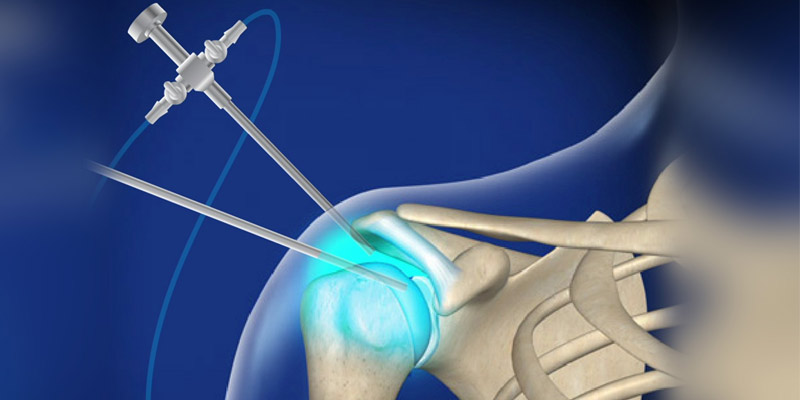
Shoulder arthroscopy surgery in Chennai is commonly used for rotator cuff repair and selected cases of frozen shoulder not improving with conservative treatment, and is one of the most effective minimally invasive procedures for restoring shoulder function in carefully selected patients.
Rotator Cuff Tear & Frozen Shoulder
Two of the most common conditions treated through shoulder arthroscopy are rotator cuff tears and frozen shoulder. Understanding each condition helps in choosing the most appropriate treatment for each patient's individual situation.
Rotator Cuff Tear
The rotator cuff is a group of muscles and tendons that help lift the arm and stabilize the shoulder joint. A tear can occur due to injury, fall, repeated overhead activity, sports, or age-related wear. Symptoms include pain while lifting the arm, night pain, shoulder weakness, difficulty reaching overhead, and restricted shoulder function. Treatment depends on tear size, age, symptoms, and response to non-surgical management.
Frozen Shoulder
Frozen shoulder, also known as adhesive capsulitis, causes progressive pain and stiffness due to tightening of the joint capsule. Patients gradually lose shoulder movement and struggle with routine activities. Many patients improve with medication and physiotherapy, while selected resistant cases may need intervention or arthroscopic capsular release.
Other Shoulder Conditions
We evaluate and treat a wide range of shoulder conditions including shoulder impingement syndrome, bursitis, labral injury, shoulder instability, recurrent dislocation, calcific tendinitis, partial thickness rotator cuff tears, and other painful stiff shoulder problems.
Rotator Cuff Repair & Frozen Shoulder Treatment
When a rotator cuff tear causes persistent pain, weakness, or loss of function despite conservative treatment, rotator cuff repair surgery may be recommended and can often be performed through shoulder arthroscopy. The goals are to relieve shoulder pain, restore tendon attachment, improve arm elevation and strength, and prevent worsening tendon damage. For frozen shoulder, treatment usually begins with non-surgical management including pain control, anti-inflammatory medication, stretching exercises, and supervised physiotherapy. When adhesive capsulitis becomes severe or does not improve adequately, arthroscopic capsular release may be considered in selected patients to restore shoulder movement and improve daily comfort.
Our Approach to Shoulder Arthroscopy
At Jeshwanth Orthopaedics, treatment for rotator cuff tear and frozen shoulder is planned with a focus on detailed history and symptom analysis, clinical examination, X-ray and MRI review where required, assessment of pain, weakness, and stiffness, stage-based planning for frozen shoulder, personalized treatment selection, arthroscopic precision when surgery is indicated, and structured postoperative rehabilitation and follow-up. Every shoulder problem is different — the right treatment depends on whether the main issue is pain, weakness, stiffness, instability, or tendon injury.
Personalized Treatment Planning
Each patient receives a customized treatment plan based on their specific shoulder condition, tear pattern, stage of frozen shoulder, activity level, and overall health — whether that is medication, physiotherapy, injection, or surgery.
Structured Rehabilitation & Recovery
Recovery after rotator cuff repair or frozen shoulder surgery includes pain control, sling use where required, gradual shoulder mobilization, stretching and strengthening exercises, physiotherapy-guided rehabilitation, and gradual return to routine function.
Long-Term Follow-Up Care
Structured post-operative follow-up ensures recovery is on track, concerns are addressed promptly, and the best long-term outcome is achieved for every patient returning to comfortable daily shoulder function.
Got questions? we've got answers!
Shoulder arthroscopy is a minimally invasive keyhole surgery used to diagnose and treat problems inside the shoulder joint. It is commonly recommended for patients with rotator cuff tears, frozen shoulder not responding to conservative treatment, shoulder impingement, labral injury, shoulder instability, or calcific tendinitis that has not improved with non-surgical management.
Not every rotator cuff tear or frozen shoulder needs surgery. The correct treatment depends on the diagnosis, severity of symptoms, tear pattern, stiffness, age, and functional needs. A detailed clinical examination along with X-ray and MRI evaluation helps determine whether surgery, physiotherapy, injection, or a combination is the most appropriate treatment for each individual patient.
Recovery after shoulder arthroscopy or rotator cuff repair depends on the exact condition treated, tissue quality, stiffness, pain levels, and adherence to the rehabilitation protocol. Recovery involves pain control, sling use where required, gradual shoulder mobilization, stretching and strengthening exercises, and physiotherapy-guided rehabilitation with gradual return to routine function. A successful recovery depends not only on surgery but also on carefully staged rehabilitation and patient commitment.
Shoulder arthroscopy is a well-established minimally invasive orthopaedic procedure. Patients typically experience significant pain relief, improved shoulder movement, restored shoulder strength, and an overall improvement in quality of life. At Jeshwanth Orthopaedics, every surgery is planned with thorough preoperative evaluation, arthroscopic surgical precision, and a structured rehabilitation programme for safe and effective outcomes.