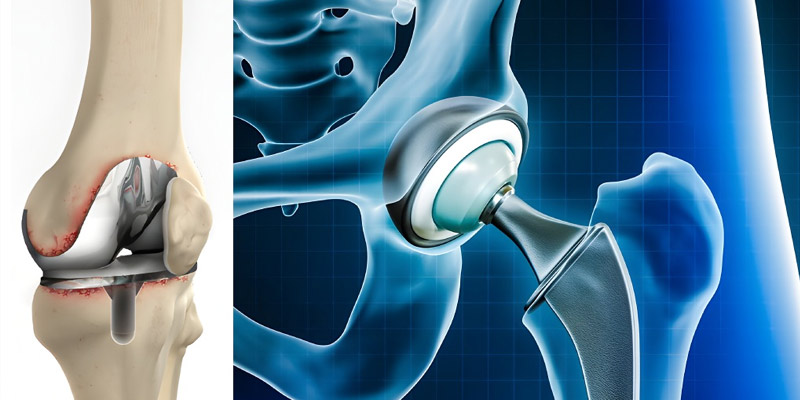
When a previous knee replacement or hip replacement starts causing pain, loosening, instability, stiffness, infection, or difficulty in walking, a second surgery may be needed. This is known as revision joint replacement surgery. At Jeshwanth Orthopaedics, we provide detailed evaluation and advanced treatment for patients with failed knee replacement, failed hip replacement, and complex joint replacement problems.
If you are searching for the best revision joint replacement surgeon in Chennai, revision knee replacement surgeon, or revision hip replacement specialist, it is important to choose a surgeon experienced in careful diagnosis, planning, and complex reconstruction. Revision surgery is more demanding than primary joint replacement and requires a highly structured approach.
What is Revision Joint Replacement Surgery?
Revision joint replacement surgery is a procedure performed to replace or correct a previously implanted artificial joint that has failed or is no longer functioning well. It may involve removing old implants, treating bone loss or infection, restoring alignment and stability, and placing new revision implants. This may be needed after a previous total knee replacement, partial knee replacement, total hip replacement, or partial hip replacement. When is revision surgery needed:

Aseptic Loosening
The implant loses its bond with the bone over time without infection, causing pain and joint instability.

Prosthetic Joint Infection (PJI)
Infection around the artificial joint requiring specialized treatment and corrective surgery.

Instability, Fracture & Malalignment
Recurrent dislocation of the hip, knee instability, periprosthetic fracture, or malposition of implants significantly affecting walking and daily activities.
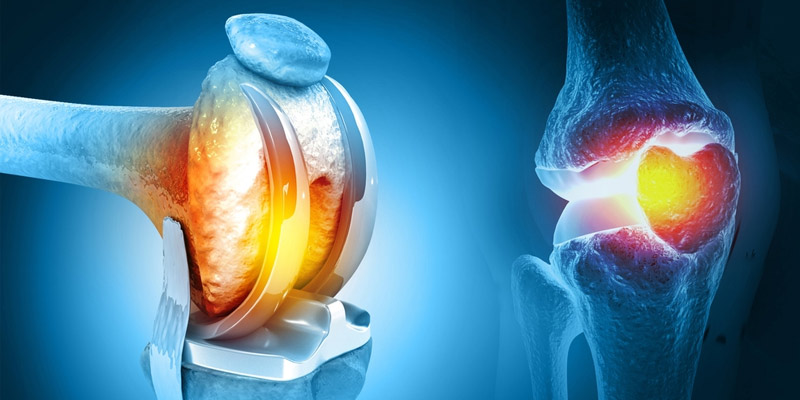
A revision knee replacement or revision hip replacement is usually more complex than first-time joint replacement surgery because the bone, soft tissues, implants, and surrounding structures may already be affected.
Types of Revision Joint Replacement Surgery
Depending on the cause of failure, the affected joint, and the extent of damage to bone and soft tissue, revision surgery may involve correction of the knee or hip replacement. A thorough evaluation helps determine the most appropriate surgical approach for each patient's unique situation.
Single-Stage Revision
The old implants are removed, the joint is cleaned, and new implants are put in during one surgery. Commonly done for non-infectious failure.
Two-Stage Revision
First surgery removes the implant and places an antibiotic spacer. Second surgery weeks later places the new joint after the infection is cured.
Complex Joint Reconstruction
In cases with significant bone loss, severe deformity, or multiple failed replacements, specialized reconstruction using advanced revision implants, bone grafting, and soft tissue balancing techniques may be required.
What Makes Revision Surgery More Complex?
Revision knee replacement surgery and revision hip replacement surgery are more technically demanding than primary replacement because they may involve removal of old implants, management of bone loss, correction of deformity, treatment of infection, soft tissue balancing, reconstruction with specialized revision implants, and restoration of alignment, stability, and function. This is why patients often search for the best revision knee surgeon or best revision hip surgeon when facing a failed joint replacement. Choosing the right revision arthroplasty surgeon is especially important because revision surgery requires advanced judgment, reconstruction planning, and management of difficult joint problems.
Signs You Should Not Ignore After Joint Replacement
If you have already undergone knee or hip replacement, you should seek specialist evaluation if you experience any of the following warning signs that may indicate a failed replacement requiring early assessment.
Pain, Swelling & Instability
Increasing pain after a period of improvement, swelling around the joint, feeling of looseness or giving way, recurrent dislocation or slipping sensation, or difficulty bearing weight on the operated limb.
Stiffness & Reduced Movement
Limp while walking, reduced joint movement, or progressive decline in walking ability that was not present shortly after the original replacement surgery.
Fever, Infection & Sudden Pain
Fever or signs of infection around the replaced joint, or sudden onset of severe pain especially following a fall, which may indicate periprosthetic fracture or acute implant failure.
Our Approach to Revision Joint Replacement
At Jeshwanth Orthopaedics, revision replacement surgery is planned with special attention to accurate diagnosis of the cause of failure, clinical examination and history review, X-rays and advanced imaging when required, infection workup and laboratory evaluation, assessment of implant position and fixation, bone loss analysis, and preoperative planning for specialized revision implants. Revision arthroplasty is not just about changing implants — it is about understanding why the previous surgery failed and correcting the problem properly.
Comprehensive Diagnosis
Detailed evaluation using blood tests, special joint fluid tests, and advanced imaging to determine the exact cause of joint failure.
Bone Stock Restoration
Using bone grafts, special metal augments, or custom implants to rebuild bone loss around the failed joint.
Structured Rehabilitation & Follow-Up
Postoperative recovery includes supervised mobilization, joint-specific physiotherapy, muscle strengthening, gait training, and long-term follow-up care to ensure the best possible outcome after revision surgery.
Got questions? we've got answers!
Revision joint replacement surgery is a procedure performed to replace or correct a previously implanted artificial knee or hip joint that has failed or is no longer functioning well. It is recommended for patients experiencing persistent pain, implant loosening, infection, instability, dislocation, periprosthetic fracture, or other problems following a previous knee or hip replacement.
Revision surgery is more technically demanding because it involves removal of old implants, management of bone loss, correction of deformity, treatment of infection, soft tissue balancing, and reconstruction with specialized revision implants. The bone, soft tissues, and surrounding structures may already be affected from the previous surgery, making careful preoperative planning and surgical expertise essential.
Warning signs include increasing pain after a period of improvement, swelling around the joint, limp while walking, feeling of looseness or giving way, difficulty bearing weight, recurrent dislocation, reduced joint movement, fever or signs of infection, and sudden pain after a fall. If you experience any of these symptoms, an early specialist evaluation is important to identify the cause and prevent further complications.
Recovery after revision joint replacement depends on the cause of failure, bone condition, complexity of surgery, and overall health of the patient. Compared with first-time replacement surgery, recovery from revision joint replacement may take longer. It includes pain control, supervised mobilization, joint-specific physiotherapy, muscle strengthening, gait training, and gradual return to daily activities. Careful planning and structured rehabilitation can significantly improve function and long-term outcomes.
Not every painful joint replacement needs revision surgery, but every persistent problem deserves proper evaluation. A thorough assessment — including clinical examination, X-rays, laboratory tests, and imaging — is essential to identify the exact cause of symptoms. Only after accurate diagnosis can the right treatment, whether surgical or non-surgical, be recommended for each individual patient.